
Jaw Pain and TMJ Treatment Sydney CBD
Jaw pain, clicking and a tight face are usually driven by overworked chewing muscles and a stiff neck, often from clenching and grinding under stress. We release the masseter, temporalis and neck muscles, settle the joint and give you simple habits and exercises to keep it calm. We work alongside your dentist when a splint or dental care is needed.
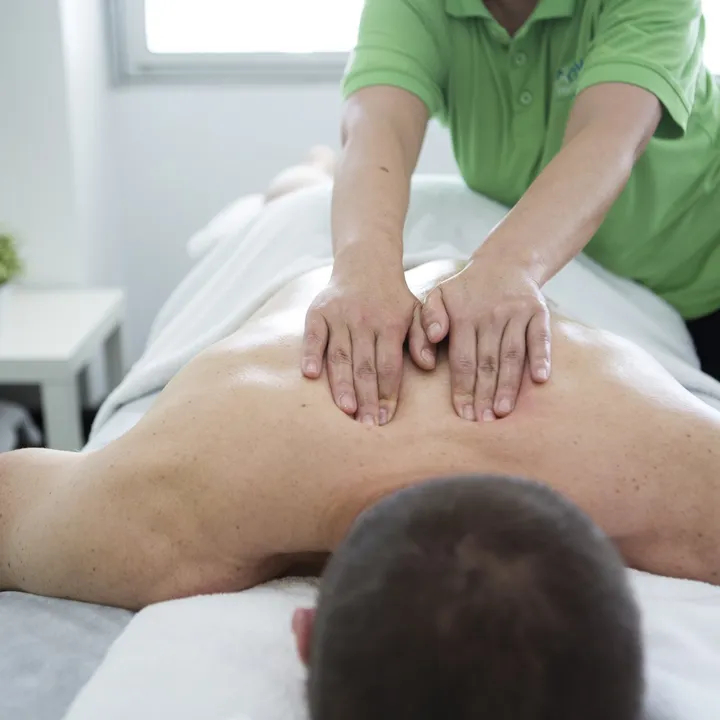
How we treat jaw pain
We assess how far and how straight your jaw opens, whether it clicks, which muscles are tender, and how your neck and upper back are moving, because a forward-head posture loads the jaw all day. Treatment is hands-on: remedial massage and myofascial release of the masseter, temporalis and the muscles at the base of the skull, intra-oral release of the deeper chewing muscles when they are the driver (gloved, and only with your consent), dry needling of trigger points in the cheek and temple when appropriate, and mobility work for the neck and mid back.
You leave with a few habits that matter more than any single treatment: a resting jaw position (lips together, teeth apart, tongue resting on the roof of the mouth), awareness cues for daytime clenching, gentle opening exercises, heat during a flare, and a softer diet for a few days if the joint is irritable. If you grind at night we will suggest a dental review for a splint.
Why the neck matters
The jaw and the upper neck share nerves and muscles. When the head sits forward of the shoulders, the jaw muscles work harder to hold the mouth closed, and neck trigger points refer pain into the face and temple. Treating both at once is why our jaw clients usually improve faster than they expect.
Sources and further reading
General information from the Active Performance Clinic team. Last updated 27 October 2026.
Jaw conditions: symptoms and causes
| Condition | Common symptoms | Common causes |
|---|---|---|
| Temporomandibular joint disorder (TMD) | Pain or ache in the jaw joint in front of the ear, clicking or popping, difficulty or pain opening wide, a jaw that feels tired, headaches and a feeling of fullness in the ear. | Overuse of the chewing muscles from clenching or grinding, stress, a long time with the mouth open at the dentist, jaw injury, an uneven bite or displacement of the joint's disc. |
| Bruxism and jaw clenching | Waking with a sore or tight jaw, worn or sensitive teeth, temple headaches, tender cheek muscles. A partner may hear grinding at night. | Stress and anxiety, disturbed sleep, caffeine and alcohol, some medications, and daytime clenching while concentrating at a screen. |
| Masseter and temporalis trigger points | A deep ache in the cheek or temple, pain that spreads to the teeth, ear or above the eye, a jaw that feels stiff first thing in the morning. | Sustained clenching, chewing gum, chewing on one side, a forward-head neck posture that loads the jaw, or previous dental work. |
| Jaw clicking and locking | A click or clunk on opening or closing, the jaw moving to one side as it opens, episodes where the mouth will not open fully or will not close. | Displacement of the joint's cartilage disc, muscle imbalance around the joint, joint laxity or a past injury. |
| Jaw-related ear and face pain | Ear ache or fullness with normal hearing tests, facial aching, pain behind the eye or in the temple. | Referred pain from the jaw muscles and joint, often with neck muscle tension. Ear and dental causes should be excluded first. |
General information only. It does not replace a diagnosis. Seek urgent medical care for pain after significant trauma, or pain with fever, numbness, weakness, or changes to bladder or bowel function.
Treatments we use for jaw pain and TMJ
Jaw pain and TMJ FAQs
Can massage help jaw clenching?
Yes, in most cases. Releasing the masseter and temporalis muscles reduces the ache and the headaches that come with clenching, and treating the neck helps because the two are closely linked. Clenching is also a habit, so we give you awareness cues, a resting jaw position and stretches, and we suggest a dental review for a night splint if you grind in your sleep.
Do you treat the jaw from inside the mouth?
Both, depending on what we find. Work on the cheek, temple, jaw line and neck muscles is the core of treatment, and when the deeper chewing muscles are driving the problem we also release them from inside the mouth, wearing gloves and only with your consent. We do not provide dental or medical treatment of the joint itself, and we refer you to your dentist or doctor if the joint needs assessment.
When should I see a dentist or doctor instead?
See your dentist if you have tooth pain, worn or cracked teeth or suspect night grinding, and your doctor for ear pain with hearing changes, swelling, fever, or a jaw that has locked and will not move. Sudden jaw pain with chest pain or shortness of breath needs emergency care: call 000.
Get jaw pain and TMJ assessed in Sydney CBD
Book an initial appointment online in under a minute. New clients choose "Consultation and Initial Treatment".